Unveiling the 1974 'Finch Terminal' Original Signage
Archive Entry: 5/14/2026
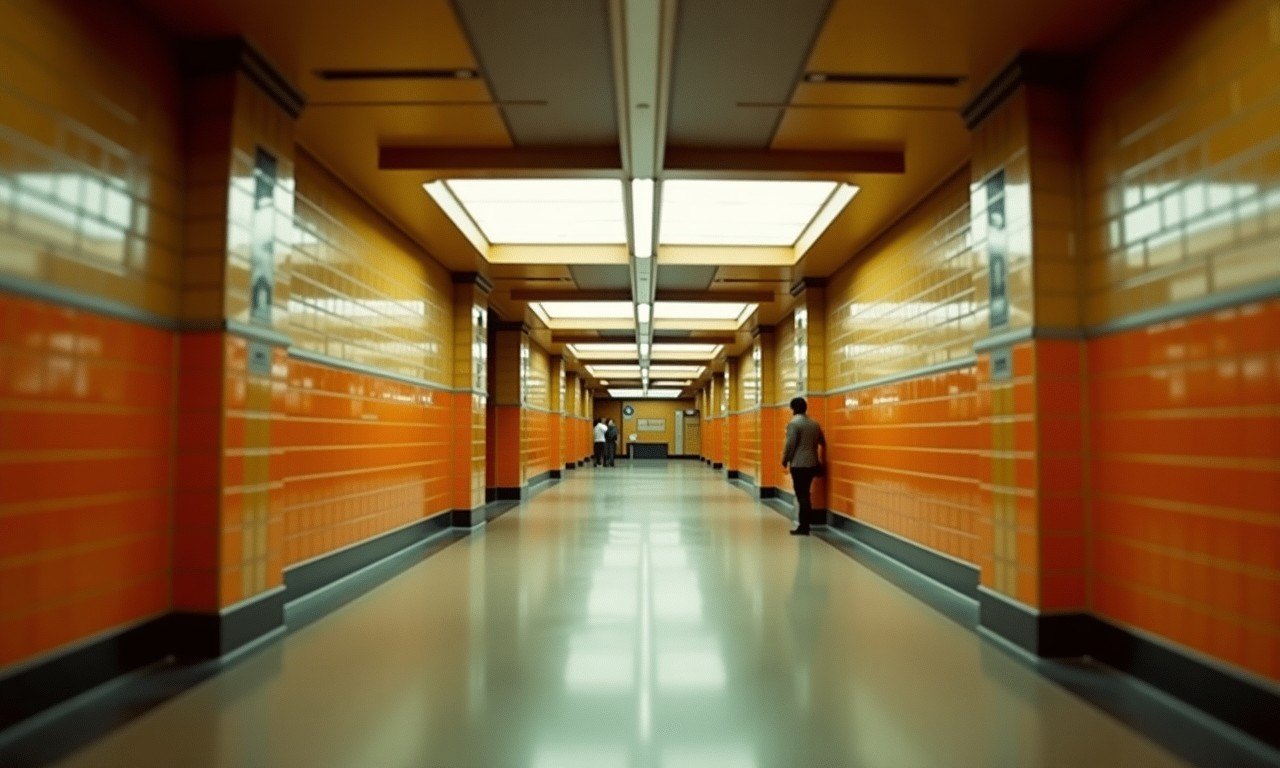
Discover the historical significance and technical accuracy of the original typography and signage design for the northern terminus of Finch TTC Subway Station in North York, Ontario.
### Introduction to Finch Terminal
The Finch Terminal, located at the northernmost point of the Toronto Transit Commission's (TTC) subway system, has a rich history dating back to 1974. As the final destination for many commuters, the terminal's original signage played a crucial role in guiding passengers and setting the tone for their daily journeys. In this blog post, we will delve into the world of typography and signage design, exploring the original 1974 'Finch Terminal' signage and its significance in the context of North York, Ontario.
### Historical Context
The 1970s marked a period of significant growth and development for the city of Toronto, with the expansion of the subway system being a key factor in this growth. The Finch Terminal, as the northern terminus, was a critical component of this expansion, providing a vital link between the city and the surrounding suburbs. The original signage, designed in 1974, reflected the modernist aesthetic of the time, characterized by clean lines, simple shapes, and a bold color scheme.
### Typography and Signage Design
The original typography used in the 1974 'Finch Terminal' signage was a custom-designed font, specifically created for the TTC. This font, known as 'TTC Font,' was designed to be highly legible and easy to read, even from a distance. The font's simple, sans-serif design made it an ideal choice for signage, as it was able to convey information quickly and efficiently. The signage itself was designed to be functional and easy to navigate, with clear directions and concise information.
### Cultural Significance
The 1974 'Finch Terminal' signage holds significant cultural value, not only as a representation of the city's modernist aesthetic but also as a symbol of the community's growth and development. The signage has become an iconic part of the terminal's identity, evoking a sense of nostalgia and familiarity among commuters. As a testament to the city's rich history, the original signage has been preserved and restored, serving as a reminder of the importance of effective design in shaping our daily experiences.
### Conclusion
In conclusion, the 1974 'Finch Terminal' original signage is a remarkable example of typography and signage design, reflecting the modernist aesthetic of the time while providing a functional and easy-to-navigate system for commuters. As we continue to move forward in our journey, it is essential to appreciate and preserve our cultural heritage, including the iconic signage that has become an integral part of our daily lives.
### Image
To visualize the original 1974 'Finch Terminal' signage, imagine a bold, modernist design with clean lines, simple shapes, and a striking color scheme. The custom-designed 'TTC Font' is prominently displayed, conveying information with clarity and precision. As we gaze upon this iconic signage, we are reminded of the significance of effective design in shaping our daily experiences and the importance of preserving our cultural heritage for future generations.