The Legacy of Bill Davis and the Yonge Extension
Archive Entry: 5/21/2026
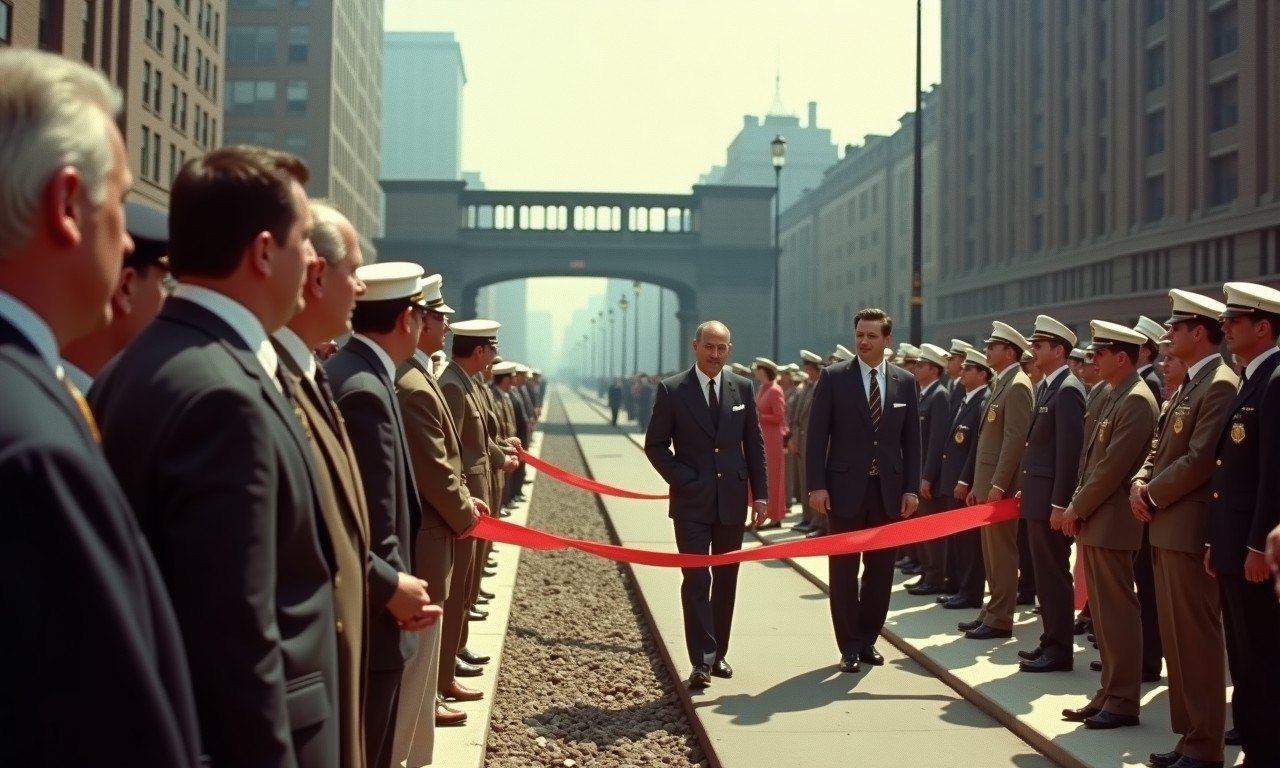
Explore the vision and leadership of Bill Davis, the 18th Premier of Ontario, and his role in expanding Toronto's rapid transit system through the Yonge Extension.
The legacy of Bill Davis, the 18th Premier of Ontario, is deeply intertwined with the development of Toronto's rapid transit system. One of the most significant contributions during his tenure was the extension of the Yonge subway line, a project that not only expanded the city's transportation infrastructure but also reflected Davis's political vision for a more connected and accessible Ontario.
The Yonge Extension, completed in 1974, was a major milestone in the history of the Toronto Transit Commission (TTC). It marked a significant expansion of the subway system, extending the Yonge line from Eglinton to Finch Avenue, and thereby connecting the core of the city with its northern suburbs. This project was not merely an engineering feat but a testament to the political will and foresight of leaders like Bill Davis, who understood the importance of investing in public transportation to foster economic growth, reduce congestion, and improve the quality of life for citizens.
Bill Davis's leadership in supporting the Yonge Extension was characteristic of his broader approach to governance, which emphasized the need for strategic investment in public infrastructure. Davis recognized that a robust and efficient transit system was essential for the economic and social development of the province, particularly in the rapidly growing Greater Toronto Area. His commitment to the project ensured that it received the necessary political and financial support, overcoming potential obstacles and bringing the vision of a more integrated and accessible transit system to fruition.
The impact of the Yonge Extension has been profound and far-reaching. It has facilitated the growth of North York and surrounding areas, transforming them into thriving commercial and residential hubs. The increased connectivity has also enhanced the overall livability of the city, providing residents with easier access to employment, education, and recreational opportunities. Furthermore, the project has served as a model for subsequent transit expansions in Toronto, demonstrating the value of proactive planning and investment in transportation infrastructure.
In conclusion, the legacy of Bill Davis and the Yonge Extension stands as a powerful example of the transformative potential of political vision and leadership in shaping the urban landscape. As Toronto continues to evolve and grow, the importance of Davis's contribution to the city's transit system remains a vital part of its history and a guiding principle for future development.